
Did anyone ever think that remote work was simply going to be a trend?
It has taken hold, and the rise of remote work has fundamentally shifted how Americans live. This is especially easy to see in Atlanta, where a significant number of remote workers are making their homes, even if they’re employed by companies outside of the area.
As more professionals manage to remain productive while avoiding the traditional office, the city’s rental housing market is rapidly adapting to new priorities centered on flexibility, space, and connectivity. For real estate investors and rental property owners, these changes present a few challenges and unique opportunities.
Understanding what remote workers want and how the market is responding is the best way to stay ahead and align your investment goals in this evolving landscape.
How Remote Work Is Reshaping Resident Priorities
Remote and hybrid work models have brought new priorities to the living and working habits of tenants in Atlanta. Here’s what the market looks like, thanks to a large influx of remote workers into the tenant pool.
-
Growing Demand for Larger, More Functional Spaces
There are plenty of co-working spaces, libraries, and of course coffee shops around Atlanta where remote workers can put in their eight hours, but these tenants are still spending more time at home than ever before. This has delivered a growing demand for rental units that offer space for both living and working. Renters are actively seeking rental homes with extra bedrooms, home offices, bonus rooms, or flexible layouts that can accommodate a dedicated home office. This has sparked renewed interest in two and three-bedroom units and even prompted developers to rethink apartment designs to integrate functional workspaces. Think built-in desks and extra rooms.
-
The Suburban Shift and Rise of Build-to-Rent Homes
Remote work means a large population of renters no longer need to live near their work place. As a result, many are exploring suburban neighborhoods that offer more space, better value, and quieter environments. In response, developers are ramping up production of build-to-rent (BTR) communities, which are entire neighborhoods of single-family homes, condos, or townhomes built specifically for renting. These properties provide the space and privacy of a house with the flexibility of a rental, making them ideal for remote workers seeking a home office, backyard, or garage workspace.
-
Increasing Desire for Flexible and Furnished Living Arrangements
With professional life no longer tied to one location, many renters are seeking short-term or flexible lease options. Some remote workers, particularly those in tech or consulting, prefer mobility and opt for furnished apartments that support a more nomadic lifestyle. These fully outfitted units cater to those on mid-to-long-term assignments and often include utilities and services, reducing the hassle of traditional renting.
Market Dynamics: Supply, Demand, and Pricing Trends
The Atlanta rental market is seeing significant shifts in both supply and demand due to these new work trends driven by workers who have central office to which they must report:
- Rising Inventory. Developers are bringing more rental units to the market to accommodate changing demand. The city is seeing a surge in new apartment completions, especially in areas outside the urban core.
- Adjusting Rents. In some Atlanta submarkets, average asking rents have dipped slightly due to the influx of new units and heightened competition among landlords. However, in desirable suburban areas and in properties catering to remote workers, demand remains strong.
- Steady Occupancy Rates. Despite an increase in available units, most apartments in Atlanta continue to maintain high occupancy rates. This suggests that demand for well-located, well-equipped rental housing remains healthy, especially when units are tailored to modern lifestyles.
Making Your Atlanta Rental Property Remote-Work Friendly
To attract and retain remote workers, rental property owners need to be strategic about what they’re offering. Here are several strategies to make your properties more appealing to this growing segment of renters:
1. Create a Dedicated Workspace
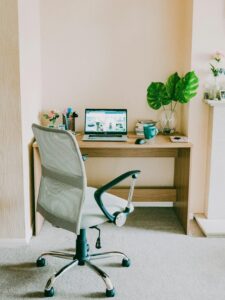
A dedicated home office or even a designated work nook can be a major draw. Adding built-in desks, extra outlets, shelving, or improved lighting can help tenants visualize themselves working productively from home.
2. Prioritize High-Speed Internet
Fast, reliable internet is no longer a luxury for remote working tenants. It’s a necessity. Make sure your properties can support high-speed internet from multiple providers. Highlight connectivity as a key feature in your listings. You might even consider including good internet in your rental price. This is one less thing tenants have to set up when they move in, and they’ll appreciate the ease and convenience.
3. Offer Flexible Lease Terms
Consider offering month-to-month or short-term leases for renters who prioritize flexibility. These terms can be especially attractive to professionals who are testing a new city, working on temporary assignments, or living a more mobile lifestyle.
4. Add Smart Home Features
Smart thermostats, keyless entry, security cameras, and voice-activated lighting can set your rental apart. These features appeal to remote workers who value convenience, security, and energy efficiency.
5. Focus on Comfort and Wellness
Since remote workers spend much of their time at home, comfort and wellness matter. Consider upgrades like improved sound insulation, better natural lighting, ergonomic fixtures, or access to green space. If you own a multifamily building, offering shared outdoor areas, fitness spaces, or quiet lounges can be a big plus.
6. Highlight Community Amenities
Proximity to co-working spaces, gyms, cafes, parks, and grocery stores can all enhance a remote worker’s lifestyle. Use your listings to spotlight these nearby conveniences and emphasize how your property supports a healthy work-life balance.
 The remote work revolution is permanently altering Atlanta’s rental market, and the investors who know how to shift quickly will have the best success in leveraging their properties. By adapting your rental properties to meet the needs of remote workers, you not only stay relevant in today’s market, you also add long-term value to your investment. The most successful landlords in the coming years will be those who understand these trends and take proactive steps to deliver the spaces and amenities today’s renters want.
Let’s talk about what this new reality means for your Atlanta rental investments. Contact us at Silas Frazier Realty with your questions, and we’ll talk through some ideas.
Silas Frazier Realty serves rental property owners in Atlanta, Snellville, Stone Mountain, Lilburn, Conyers, Smyrna, Marietta, Lithonia, Jonesboro, McDonough, Vinings, Brookhaven, and Tucker.
