
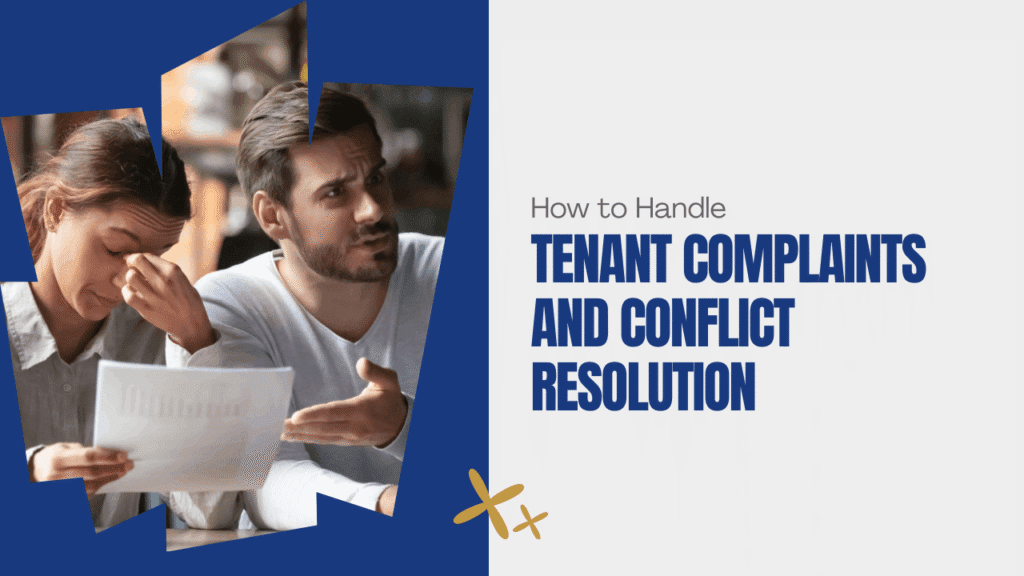
Tenant complaints can be unnerving when you’re renting out a property. Your success depends on your tenants remaining satisfied with the property they’re renting from you and with the role you’re playing in their lives as a landlord.
So, what do you do when a tenant complains?
It depends on the complaint, usually. If they’re complaining just for the sake of complaining (we have had tenants like this), sometimes you just need to listen and commiserate, especially if there’s nothing you can actually do about it. But if it’s a problem that you can solve, or if the complaint is due to a mistake or a misstep you made, rectify the situation as soon as you can. No one benefits from a complaint escalating into a conflict.
As expert property managers, here’s our take on how to handle tenant complaints and conflicts effectively, ensuring you maintain a positive rental experience and relationship while protecting your property and your bottom line.
Create a Clear and Transparent Process for Making Complaints
We’re systems-oriented as property managers, so we’re letting you know that the first step in effectively handling tenant complaints is to have a clear, transparent process in place. Tenants should know how and where to file complaints, whether they’re related to maintenance issues, noise disturbances, or disagreements with other tenants.
- Create a Written Procedure. Clearly outline the steps tenants should follow to report an issue. Include a dedicated phone number or email address for complaints, and consider setting up an online portal if you don’t already have one, where tenants can send messages about whatever is bothering them.
- Specify Response Times. Tenants will feel like you don’t care about what they’ve shared if you take too long to respond. Inform tenants of how long it will take to acknowledge and resolve their complaints. Setting expectations is crucial to avoiding frustration.
- Be Available. Let your tenants know that you’re available to address their concerns. It helps to have a reliable contact point for emergencies or urgent issues.
Listen Actively and Remain Professional
When a tenant approaches you with a complaint, it’s important to listen to them without interrupting. Active listening is key to understanding the problem and determining the best course of action. Tenants want to feel heard and respected, and even if the complaint seems trivial, their concerns should be validated. Don’t get defensive. Instead, be present and have a conversation. Whether that conversation happens in person, over the phone, or via email, give the tenant’s feelings your full attention. This shows respect and builds trust.
Ask clarifying questions. If the situation isn’t clear, don’t hesitate to ask questions. Getting all the facts upfront will help you make informed decisions.
What if the complaint is made online? A lot of landlords get disgruntled tenants leaving their list of complaints on sites like Google and Yelp. Always respond professionally. State what was done and make sure you’re demonstrating to anyone reading that you’re willing to make things right and not interested in a digital fight.
Evaluate the Situation Objectively
After hearing the tenant’s complaint, it’s important to step back and evaluate the situation objectively. Avoid jumping to conclusions or making hasty decisions, especially if emotions are high. Think through the facts, consider potential solutions, and determine if the issue is legitimate or if there’s a misunderstanding. Here’s our quick, three-step evaluation recommendation:
1.Gather Information
Sometimes tenant complaints can be a result of a simple misunderstanding. Ask for details such as dates, times, and the nature of the issue. If possible, get input from other tenants or neighbors.
2.Inspect the Property
If the complaint involves a maintenance issue or a problem with the property, schedule an inspection to confirm whether the issue exists. Don’t take your tenant’s word for it without verifying.
3.Check Lease Agreement
Review the terms of the lease to see if the issue in question is covered. This could help you make a more informed decision on how to proceed. It can also provide support for the actions you take following the complaint.
Respond Promptly and Professionally
When dealing with tenant complaints, time is of the essence. Promptly responding to a complaint shows tenants that you are serious about maintaining a professional relationship and that you respect their concerns. Delays in responding can lead to dissatisfaction and can escalate the situation further.
Aim to acknowledge the complaint within 24-48 hours. This doesn’t necessarily mean resolving the issue immediately, but it’s important to let your tenant know that you’ve received their complaint and are working on a solution.
Keep the tenant informed as you work on resolving the issue. Even if you don’t have an immediate solution, letting the tenant know that you’re making progress can reduce their frustration.
Professionalism is Important: Stay Calm During Conflict
Conflict is inevitable in any landlord-tenant relationship, but your ability to remain calm and composed can make a big difference in how it’s resolved. If a tenant becomes upset or angry, stay professional and avoid escalating the situation by reacting emotionally.
If you feel yourself becoming emotional or defensive, take a deep breath or suggest postponing the conversation until both parties can cool down. Keep the conversation civil and respectful, even if the tenant is angry or confrontational. Don’t take it personally, and avoid arguing or raising your voice.
Boundaries are important, especially when conflicts arise. If the conversation becomes disrespectful or unproductive, gently steer it back on track. Focus on solutions.
Document Everything
Documentation is critical. Always keep records of tenant complaints, communications, and resolutions. This protects you in case the situation escalates to legal action and ensures you have a clear trail of your interactions.
Here’s how to document complaints and conflicts effectively:
- Keep Written Records. Document all tenant complaints, your responses, and any actions taken. This can be helpful for resolving future disputes and demonstrates that you’ve acted in good faith.
- Follow-Up in Writing. After resolving a complaint, send a follow-up email or letter confirming the resolution and outlining any further steps. This creates a paper trail that shows you’ve taken appropriate action.
Handling tenant complaints and conflict effectively is an essential part of being a successful landlord with a good reputation.
 If tenant relations are becoming too challenging, we can help. Contact us at Silas Frazier Realty. We serve rental property owners in Atlanta, Snellville, Stone Mountain, Lilburn, Conyers, Smyrna, Marietta, Lithonia, Jonesboro, McDonough, Vinings, Brookhaven, and Tucker.
